
The problem with pieced-together control
Most growing operations don’t start with a “smart farm.” They start with a pump timer, a few valves, and a climate unit that works… until the second greenhouse comes online. Then another controller. Then a dosing skid with its own interface. Within a season, teams are juggling apps, paper logs, and tribal knowledge.
That patchwork works for a pilot. It breaks when you need:
- The same schedule logic across multiple zones
- Alarms that reach the right person at 2 a.m.
- Proof of what ran when—for buyers, auditors, or your own yield reviews
What “unified” actually means
Unified automation is not “more sensors.” It is one control layer that can run irrigation, climate, and fertigation with shared schedules, shared status, and shared history—whether the farm is online or briefly offline.
For commercial growers, that usually looks like:
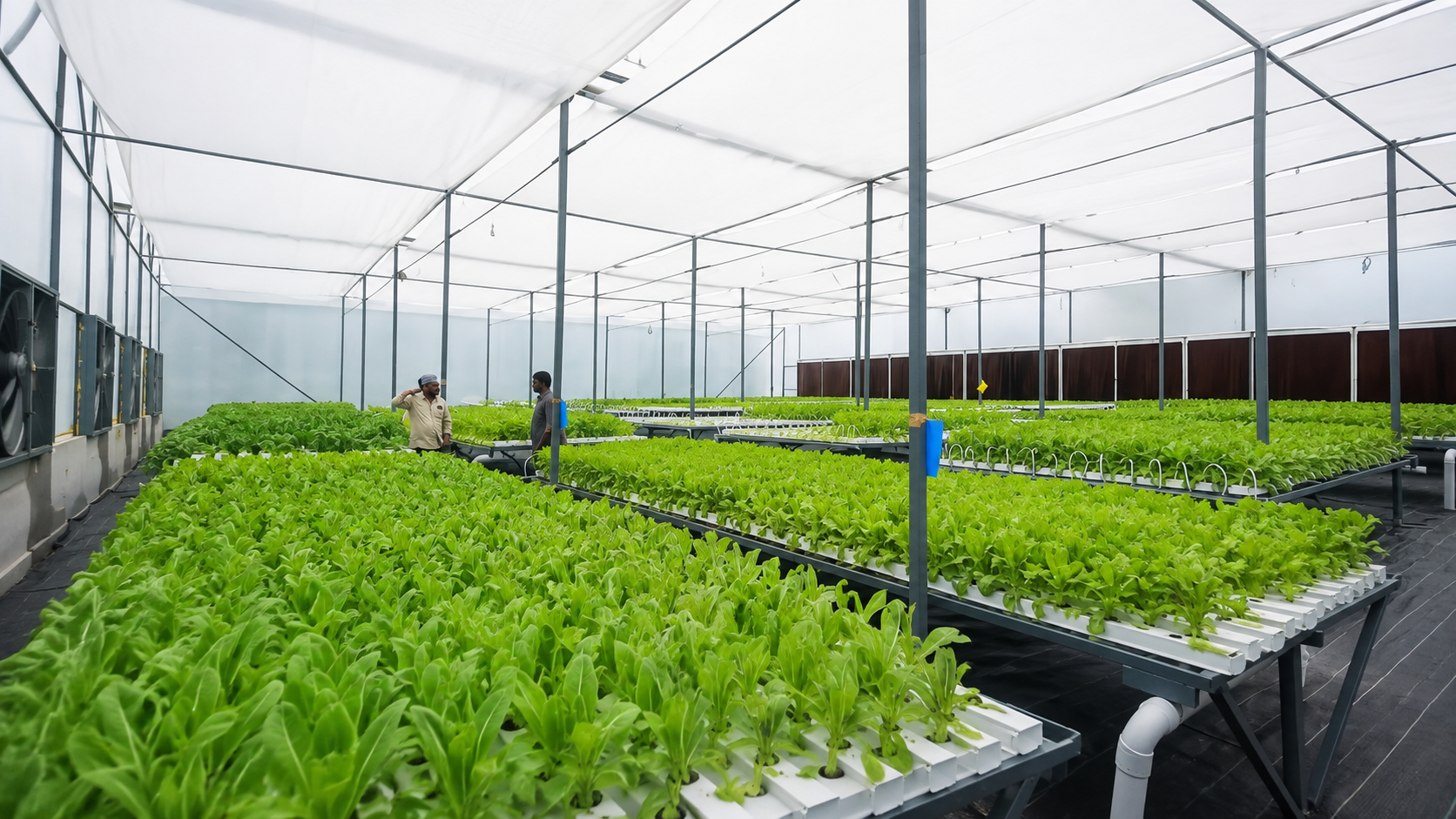
- Zone-first thinking — each bay, NFT line, or irrigation block has clear ownership
- Local execution — the controller keeps schedules and safety limits even if the network drops
- Remote visibility — managers see status, history, and alerts without walking every row
- Room to expand — add a zone or a dosing channel without replacing the whole stack
Where farms see value first
Teams rarely automate everything on day one. The wins that stick are practical:
- Irrigation that doesn’t overshoot after a heat spike
- Climate setpoints that don’t fight humidity overnight
- Dosing that stays consistent when operators change shifts
- Fewer emergency callouts because alarms are specific, not noisy
A sensible rollout
- Map zones and what each zone must never do wrong (dry-run, over-irrigate, vent fail)
- Automate the highest-risk or highest-labor loop first (often irrigation or fogging)
- Put alarms and history in place before full autopilot
- Expand zone by zone once the team trusts overrides and recovery
Bottom line
Commercial farms don’t need more gadgets. They need control that scales with the operation—modular hardware, one platform, and field-proof reliability. That is how automation stops being a project and starts being infrastructure.