

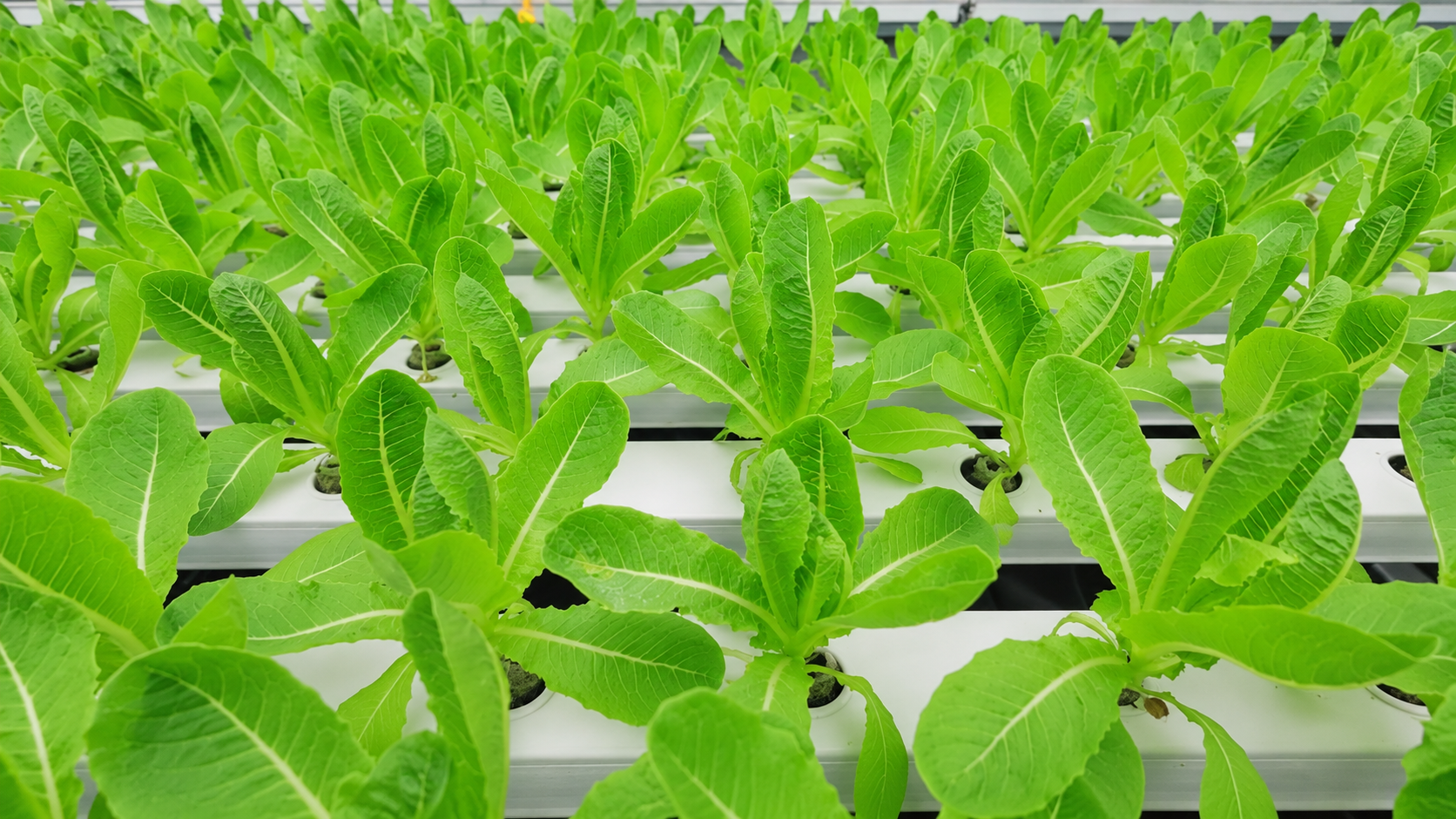
Consistency is the crop
In hydroponics, small drifts compound: a late irrigation cycle, an EC that creeps up over a weekend, a pH swing after a stock tank refill. Manual checks catch some of it. They don’t catch all of it at 3 a.m.
Automation earns its keep when it makes repeatable conditions—not when it adds dashboards nobody opens.
Three loops that matter most
1. Irrigation / recirculation timing
Zone schedules should match crop stage and system type (NFT, drip, flood-and-drain). Fixed calendar timers ignore heat load and growth stage. Better systems allow:
- Time-based sequences with clear zone ownership
- Overrides that are logged
- Protection against overlapping pumps/valves fighting each other
2. EC and pH discipline
Dosing is where many “automated” farms still rely on habit. A workable approach:
- Stable stock tanks and calibrated probes
- Target bands, not single magic numbers
- Alerts when readings leave the band—before visual stress shows
- Manual confirm for major recipe changes until the team trusts the loop
3. Scheduling as operations, not just hardware
Who changes setpoints? Who acknowledges alarms? Which zones are production vs trial? Automation without ownership creates noise. Document the operating rules the controller is enforcing.
A 30-day rollout that growers finish
Week 1–2: Wire zones, prove valve/pump sequences, get status and history visible
Week 3: Put irrigation schedules under control; keep dosing supervised
Week 4: Tighten EC/pH alarms; reduce manual rounds where the data is trusted
Don’t enable full autopilot on day one. Earn trust with alarms and history first.
What “good” looks like after go-live
- Fewer emergency visits for dry lines or overflow events
- More even growth across identical zones
- Clear logs when someone overrode a schedule
- Ability to clone a working zone’s logic when you expand
Bottom line
Hydroponic automation is less about exotic AI and more about reliable loops: water, nutrients, and time—executed locally, visible remotely, and expandable without ripping out what already works. That’s the standard commercial growers should demand.